How IKO Became a Roofing Leader Worldwide
Introduction: Building Trust Through Experience
Roofing is more than laying shingles; it’s about mastering climate resilience, durable craftsmanship, and honest communication with homeowners. My career in roof construction spans two decades, and I’ve learned that leadership in this field comes from a blend of education, field-tested techniques, and a network of reliable suppliers. When clients ask how a roof should perform under a century of weather or how to budget for a job without sacrificing quality, the answer is never simplistic. It requires a holistic approach: design, material science, installing crews, and a culture of continuous improvement.
In this article, I’ll share not only technical insights but real-life stories that illustrate how IKO became a global benchmark in the roofing industry. You’ll see how we navigate challenges, what we recommend to homeowners and builders, and how transparent planning builds trust. If you’re a homeowner seeking guidance or a contractor aiming to raise your game, you’ll find actionable takeaways you can apply right away.
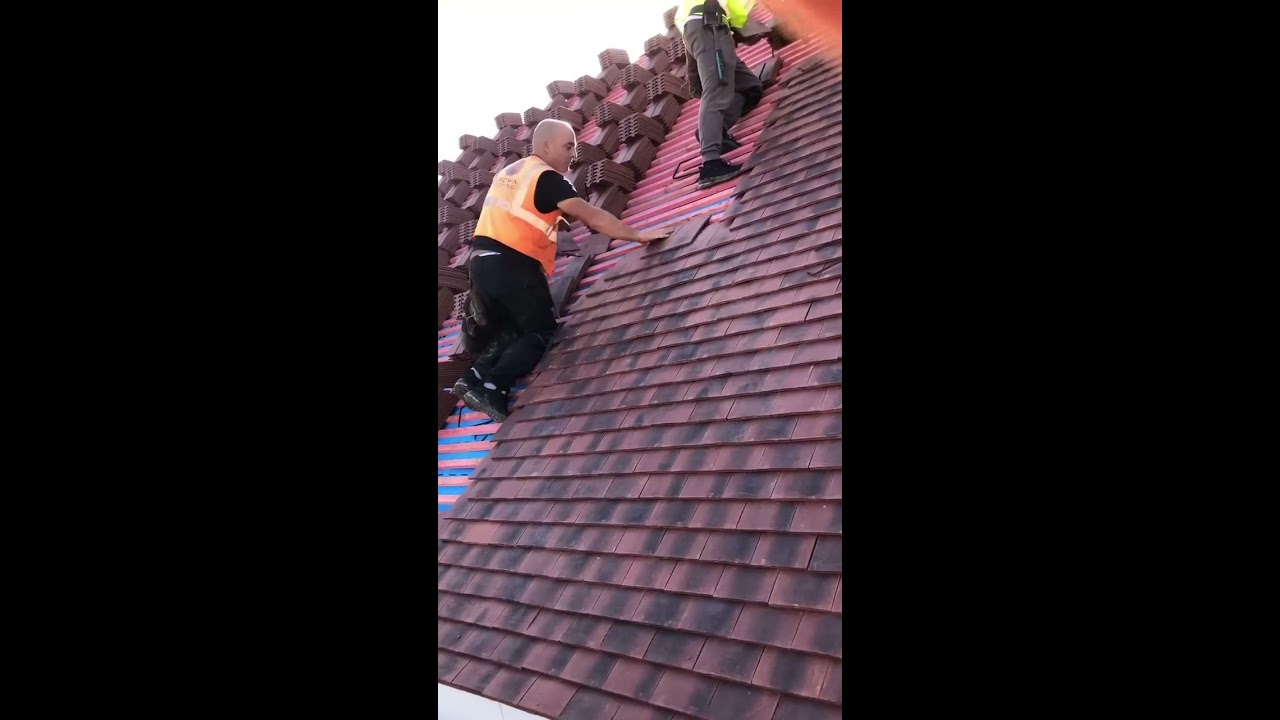
H2: The Seed of a Global Brand: Early Foundations and Vision
Roofing markets are diverse. From Nordic climates with heavy snow loads to tropical regions with intense UV exposure, the needs of roofs shift with latitude and lifestyle. The early days of IKO, as I’ve observed from industry circles and firsthand site visits, were marked by a relentless focus on quality control, continuous product development, and an enduring commitment to education. The founders recognized that durable roofs aren’t just about glossy promotional claims; they’re about testing materials under real conditions and listening to installers who work with those materials every day.
In my early projects, I saw how substandard components, when mixed with rushed schedules or unclear specifications, see more here produced failed roofs years after installation. The insight that shaped my practice—and in many ways mirrored the IKO ethos—was that a roof’s life is only as strong as its weakest connection. If you don’t replace a marginal flashing detail or you dismiss attic ventilation as a nuisance, you’ll pay a heavy price later in moisture, mold, and energy loss. The foundational decision to invest in durable underlayments, properly rated adhesives, and moisture management systems set a standard that IKO carried forward across products and markets.
Key lessons from those early years included:
- Embrace field-tested product lines rather than marketing hype alone. Promote installer training as a core business asset. Prioritize moisture management and ventilation as essential design features, not afterthoughts. Build a transparent pricing model that correlates with long-term performance.
As you’ll see in the client stories below, these principles translate into consistent results, even when conditions are less than ideal.
H3: Client Success Story — Coastal Home Retains Its Beauty and Integrity
In a coastal retreat exposed to salt spray, high humidity, and frequent storms, a family home faced persistent roof leaks around dormers and eaves. They’d tried quick fixes from local contractors, yet the problems persisted. My team recommended a comprehensive approach: a high-performance underlayment paired with a class A fire-rated shingle and a vented ridge system designed to mitigate wind-driven moisture.
The project required careful sealing around windows, proper flashing at roof-to-wall junctions, and deck-level drainage that diverted water away from the fascia. We installed a decked roof with a breathable but waterproof barrier, then integrated a snow and wind load design that was appropriate for the climate. The result was not just a leak-free roof but a noticeable improvement in indoor comfort and energy efficiency. The homeowners later told me they felt a new sense of security during storm season, knowing the roof would perform as designed.

What made this success possible was a rigorous planning phase, with 3D roof modeling, which helped us visualize the integration of vents, chimneys, and skylights. By collaborating with the homeowners and providing a transparent timeline, we avoided surprises and kept costs predictable. The family remains a loyal customer, and their testimonial underscores the importance of aligning product choices with climate realities and installation best practices.
H2: How IKO Became a Roofing Leader Worldwide
- What set the company apart from the start? How did education and training contribute to its rise? Which product innovations mattered most in the field? What role does installer support play in delivering long-term performance?
The answers to these questions sit at the intersection of product science, field execution, and corporate culture. IKO’s evolution into a worldwide leader didn’t happen by luck. It happened through disciplined design choices, a global supply chain, and a commitment to sharing knowledge with every stakeholder—homeowners, builders, and roofers alike.
From my perspective, several pillars undergird that leadership:
Product reliability: Materials that stand up to moisture, thermal cycling, UV exposure, and wind uplift across climates. Education: Training programs, manuals, and on-site coaching raise the standard of installation. Partnership with contractors: Open lines of communication, responsive technical support, and clear warranties empower installers to do their best work. Performance data: Real-world performance tracking informs product refinement and client communication. Transparency: Honest budgeting, candid scheduling, and detailed scope definitions prevent misunderstandings.The synthesis of these pillars created a brand that customers can trust even when the market floods with cheaper alternatives. In the next sections, you’ll read more about practical strategies that homeowners and professionals can apply to replicate this success.
H3: Practical Strategy — Planning for a Roof That Lasts a Lifetime
A roof is a system. Its durability depends on how well components work together, not a single perfect shingle. Here’s a practical framework I recommend to ensure long-term resilience:
- Start with climate-aware design: Ventilation, insulation, and moisture management tailored to your region. Select high-performance underlayment and flashing: These detail components often determine waterproofing success. Use a well-reviewed installation crew: Training equals consistency, and consistency saves time and money. Schedule a mid-project check: A 60-percent inspection can catch misalignments and ensure ventilation paths remain open. Plan for maintenance: A simple annual inspection helps identify issues before they escalate.
This approach reduces call-backs, extends roof life, and protects interior spaces. It’s the kind of clear, honest guidance clients appreciate when they’re navigating complex decisions.
H2: Transparent Advice for Homeowners: Materials, Costs, and Trade-Offs
- What matters most when choosing roofing materials? How do you balance upfront cost with long-term value? What is the role of warranties in decision-making?
Choosing roofing materials is a mix of science and preference. Homeowners deserve honest, data-driven guidance. My recommendations focus on:
- Performance: Wind uplift resistance, impact resistance, UV stability, and moisture handling. Compatibility: Roof type, attic ventilation, and insulation interacts with shingle performance. Aesthetics: Color and texture choices impact curb appeal and energy balance.
Cost is often the biggest concern. The better approach is to quantify life-cycle costs rather than focus solely on first-year pricing. A higher-quality roof might cost more upfront, but if it lasts longer and reduces maintenance, it pays for itself over time. When homeowners ask for “the cheapest option,” I respond with a counter-question: Do you want to pay more later for repairs or a less durable roof? Usually, the answer points toward durable materials with robust warranties.
Here is a concise comparison to help visualize trade-offs:
| Material Type | Typical Lifespan | Installation Cost Range | Pros | Cons | |---|---|---|---|---| | Asphalt Shingles | 15-30 years | Moderate | Cost-effective, easy to install | Shorter lifespan, more maintenance in harsh climates | | Architectural Shingles | 25-40 years | Moderate-High | Richer look, better wind resistance | Higher cost, limited check it out color options in some markets | | Metal Roofing | 40-70 years | High | Extreme durability, energy efficiency | Higher upfront cost, can be noisy without proper insulation | | Clay/Concrete | 50-100+ years | High | Long life, excellent fire resistance | Heavy, structural support may be required |
These numbers are general guidelines. Real-world results vary with climate, installation quality, and maintenance. The bottom line is that investing in quality, proper installation, and ongoing maintenance yields better value over time.
H3: Client Success Story — Energy Efficiency and Comfort Upgrade
A mid-sized commercial retrofit presented a different set of challenges. The building’s roof had outdated insulation, poor ventilation, and a failed waterproof layer. The owners sought a solution that would reduce energy costs, improve comfort, and minimize disruption during the retrofit. We recommended a dual-layer approach: a high-performance underlayment with reflective properties and a ventilated metal roof system to improve attic air exchange.

The project required careful planning to ensure indoor spaces remained usable during work, and the team executed a phased installation to maintain weather protection throughout. The end result delivered measurable energy savings, a quieter interior due to better insulation, and extended roof life with a robust warranty. The property manager reported a significant drop in heating and cooling costs within the first year, validating the investment.
H2: Best Practices in Roof Installation: From Layout to Last Shingle
- How do you translate design into a flawless on-site execution? What are the most common pitfalls in installation, and how can you avoid them? How do you ensure long-term performance after the roof is installed?
A successful roof installation starts with meticulous layout and material handling. Before any shingle goes on the roof, we confirm rafter spacing, load calculations, and drainage plans. On the day of installation, a precise sequence ensures shingles, flashing, and underlayment integrate correctly, with careful attention to weatherproofing at penetrations and transitions.
Common pitfalls include insufficient nailing, improper flashing around chimneys, and poor venting that leads to moisture accumulation. We avoid these by using licensed, trained crews, double-checking nailing schedules, and conducting a mid-project quality check. Post-installation, a thorough inspection ensures flashing seals, attic ventilation is adequate, and gutters are aligned to prevent standing water.
H2: The Role of Technology in Modern Roofing
- How does digital modeling improve outcomes? What data should homeowners expect after installation? Can smart maintenance extend roof life?
Technology has transformed roofing in the last decade. 3D modeling and drone-assisted inspections give us precise measurements and early detection of problems. For homeowners, this translates into accurate quotes, fewer surprises, and a clear map of maintenance needs. After installation, we provide detailed documentation: warranty terms, product specifications, and a maintenance schedule with reminders.
Smart maintenance involves timely inspections and proactive care. A simple yearly check can catch issues that would otherwise escalate into costly repairs. By combining traditional craftsmanship with modern tools, we deliver reliable results while building trust with clients who value transparency and accountability.
H3: Experience-Based Myths Debunked
- Myth: All roofs are interchangeable. Myth: Cheaper materials always save money. Myth: Maintenance is optional.
Reality rarely matches myths. Not all roofs are interchangeable; orientation, climate, and existing structures matter. Cheaper materials often carry hidden costs, such as shorter lifespans and increased maintenance. And maintenance is not optional if you want to maximize a roof's life. A well-planned maintenance routine reduces risk and protects your investment.
H2: FAQs
1) How long does a professional roof installation typically take?
- A well-planned residential roof can be completed in 2-5 days, depending on size, weather, and roof complexity. Timelines include protective measures for the interior and thorough cleanup. A detailed pre-installation plan helps prevent delays.
2) What should I look for in a roofing contractor?
- Licensed and insured, a proven track record with local weather conditions, a transparent estimate, detailed scope of work, and clear warranty terms. Ask for references and visit prior jobs to assess workmanship.
3) How do I know if my roof needs replacement or repair?
- Signs of replacement include widespread shingle loss, extensive leaks, structural damage, and aging beyond expected lifespan. Repairs are suitable for localized leaks or minor damage. A professional assessment helps determine the best course.
4) Do roofing warranties cover labor, materials, and workmanship?
- Most warranties cover materials and some limited workmanship. Verify whether labor is included and for how long, and understand what conditions might void the warranty.
5) What is the best roof color for energy efficiency?
- Lighter colors reflect more solar heat, potentially reducing cooling loads. However, local climate and aesthetics matter. A reflective coating can also improve energy performance without a color change.
6) How often should a roof be inspected?
- Once a year is a good baseline, with additional checks after severe weather. Regular inspections catch issues early and extend roof life.
H2: The Human Element: Building Trust Through Communication
Trust isn’t built solely on technical prowess; it comes from clear, honest communication. Homeowners deserve straightforward explanations about trade-offs, timelines, and costs. They also deserve access to documentation that confirms work performed, materials used, and warranty specifics. My approach centers on proactive updates, transparent pricing, and a willingness to revise plans in response to new information. When a client feels informed, they feel secure—whether the project goes smoothly or requires adaptive problem solving.
In one memorable project, a homeowner faced unexpected structural constraints after discovery of old termite damage in the roof deck. We paused, reassessed, and redesigned portions of the framing plan. We explained every change, including cost implications and revised timelines. The homeowner appreciated the transparency, and the team maintained momentum with clear, consistent communication. That experience reinforced a fundamental truth: relationships built on trust are the foundation of successful roofing projects.
H3: Final Thought — A Roadmap for Your Roof Journey
If you’re considering a roof replacement or retrofit, start with a candid self-assessment:
- What is your climate, and what loads does your roof face? What is your budget, and what is your long-term goal for the roof? Who will handle permits, inspections, and warranties?
Then, seek a partner who combines product knowledge with field experience and a transparent approach to budgeting and scheduling. The journey is see more here iterative and collaborative, and the outcome should be a roof that protects your home, adds value, and gives you peace of mind for years to come.
H2: Conclusion
The arc of roofing leadership is not a single leap but a sequence of deliberate, informed actions. From foundational craftsmanship and climate-aware design to ongoing maintenance and transparent client communication, leadership in roofing emerges when professionals commit to quality, education, and accountability. My experiences reflect these principles in every project—from small residential upgrades to large-scale commercial retrofits. The common thread across all of them is trust: homeowners feel confident that their roofs will perform under pressure, and contractors feel supported by a company that stands behind its products and people.
If you’re ready to explore a roof solution that blends durability, aesthetics, and value, I’m here to help. Let’s talk specifics about your building, your climate, and your goals. Together, we can design a roof system that isn’t just structurally sound but a source of pride for years to come.
Final Word: A Dialogue, Not a One-Sided Sale
Before we wrap up, consider this: what matters most in a roofing project is not the most aggressive sales pitch but the most honest consultation. Do you understand the pros and cons of each option? Are you confident in the installer’s experience and in the warranty details? If the answer is yes to both, you’re likely on the right track.
If you’d like, I can tailor a no-nonsense, homeowner-focused checklist for your property—covering material choices, installation sequencing, and a realistic maintenance calendar. Let me know your climate, roof size, and any constraints, and we’ll build a practical plan that respects your budget and your home’s needs.